EXHIBITION: THE PLINTH

ART WORKS
a shared creative process presents:
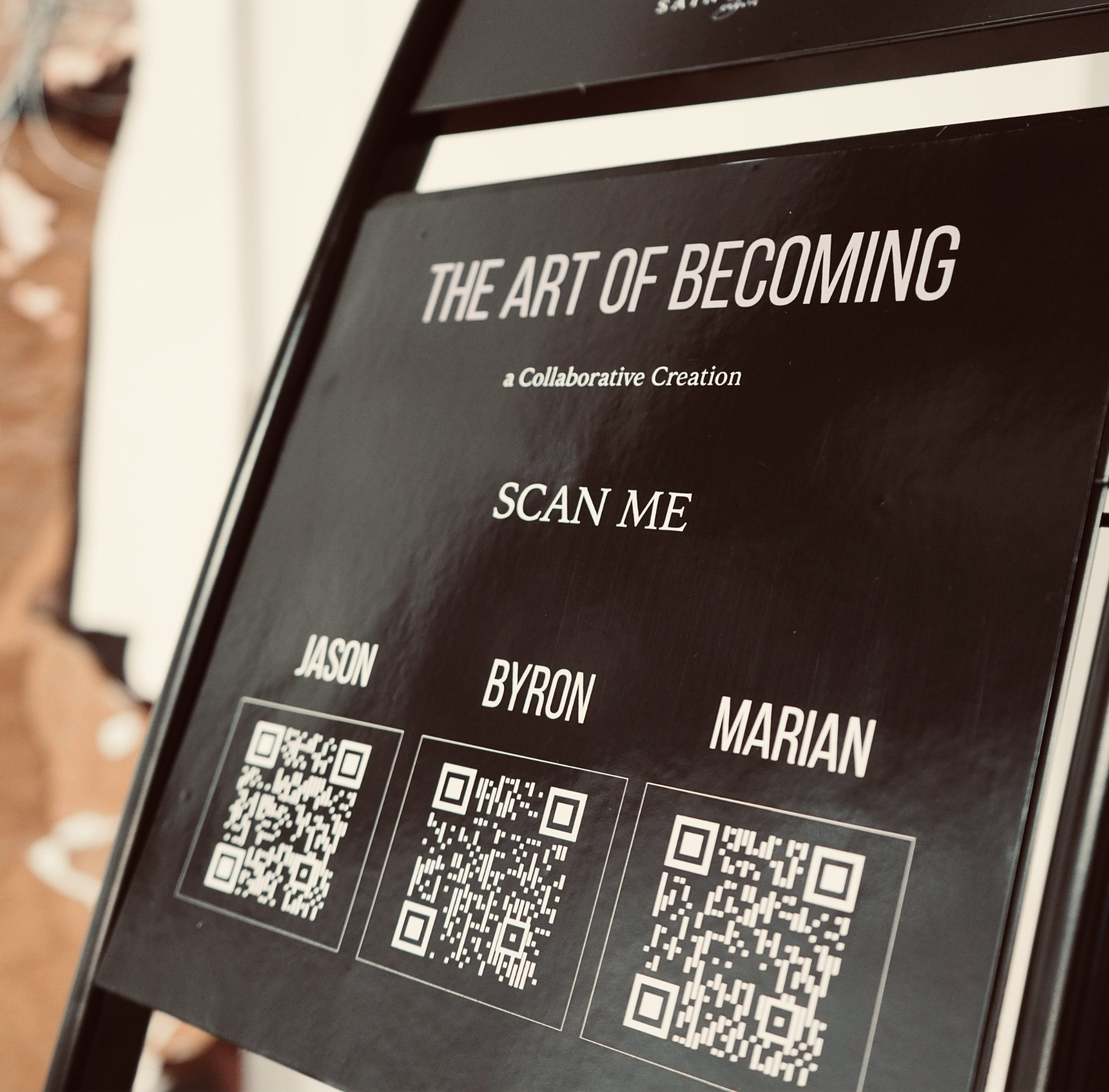
THE ART OF BECOMING
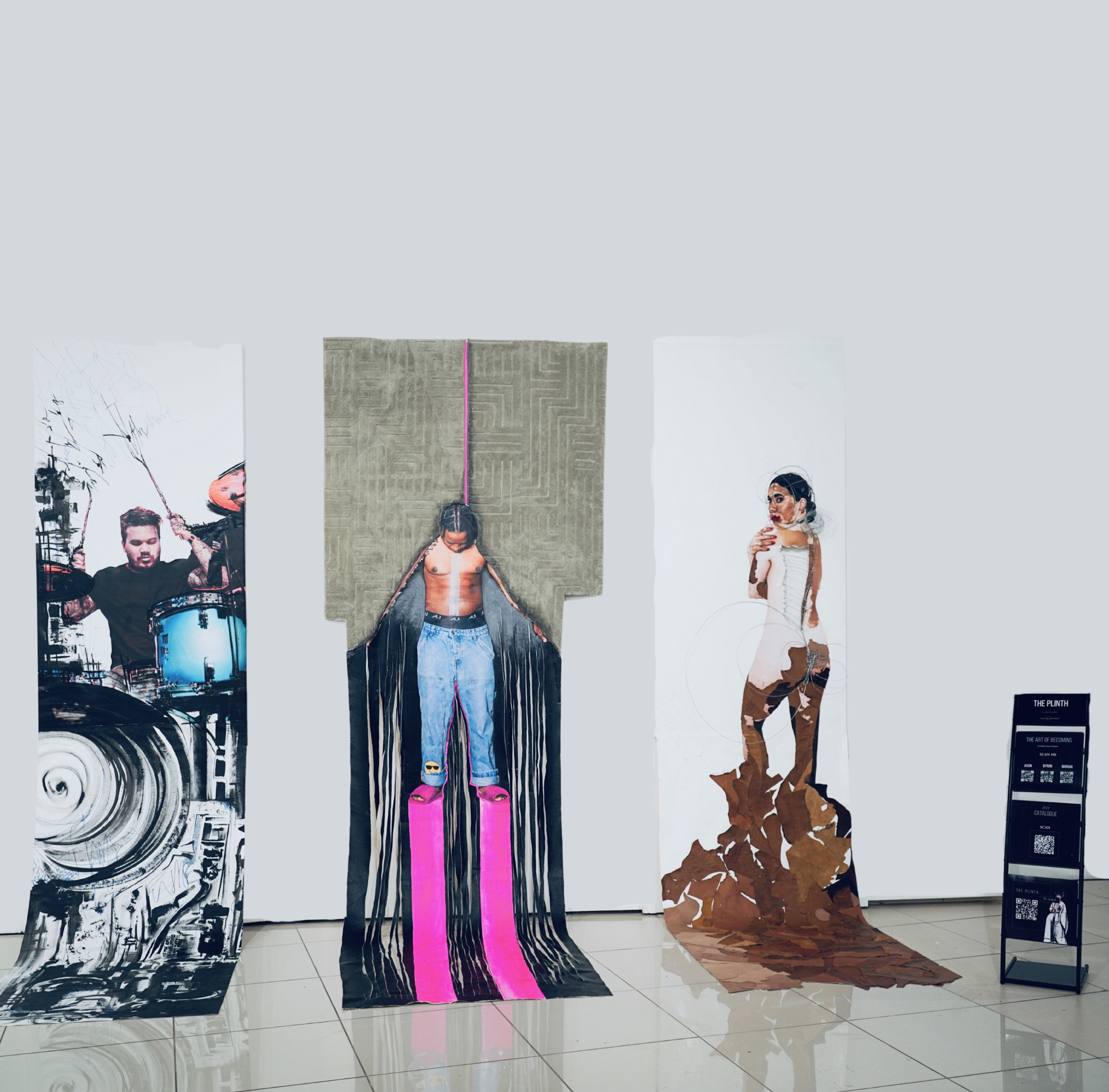
Created by artist, Vee Fredericks, the series of 3 artworks were born from shared conversations and creative exchange with the subjects themselves. While each final piece bears Vee’s hand, the works emerged through a process shaped by the voices, experiences and insights of those depicted, brought to life with the support and resources of the Saint Savant Foundation.

MUSE
All work was produced with the informed consent of every participant and full compliance to intellectual property, copyrights and image rights regulations. Appropriate releases and authorizations were obtained by Oosthuizen Attorneys to ensure the protection of each individual’s moral and legal rights.
marian de vos
SKIN, EXPOSURE AND THE ETHICS OF SEEING
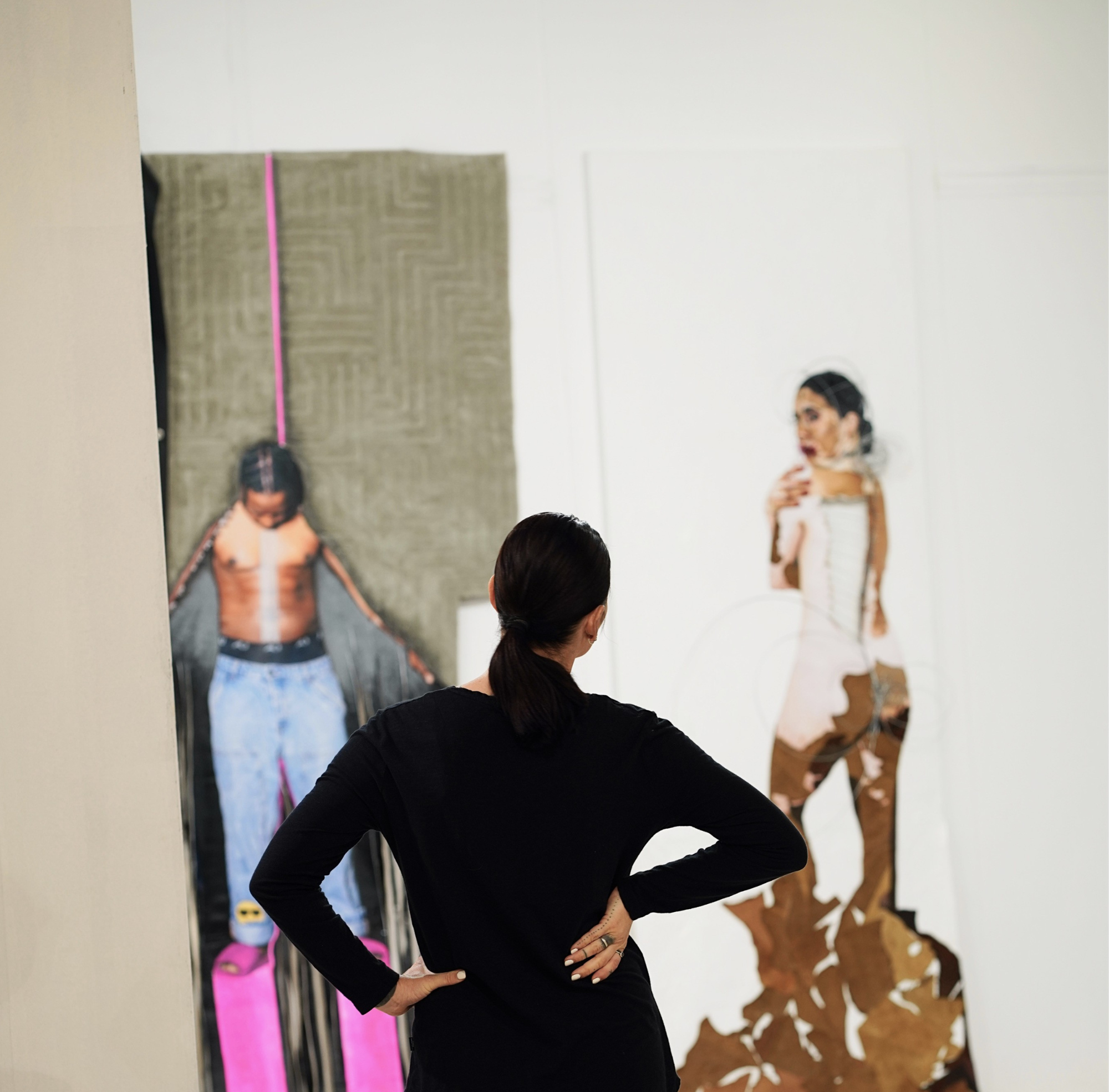
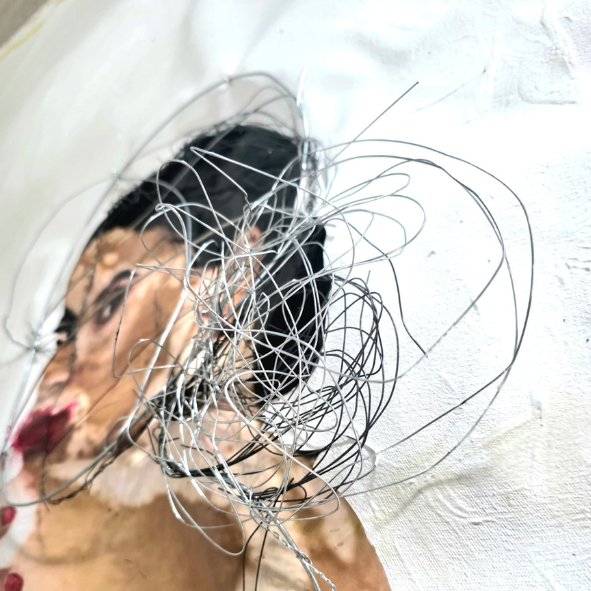
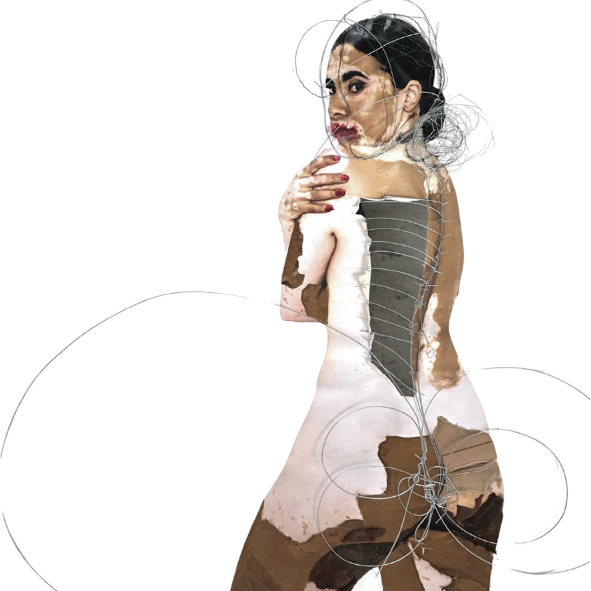
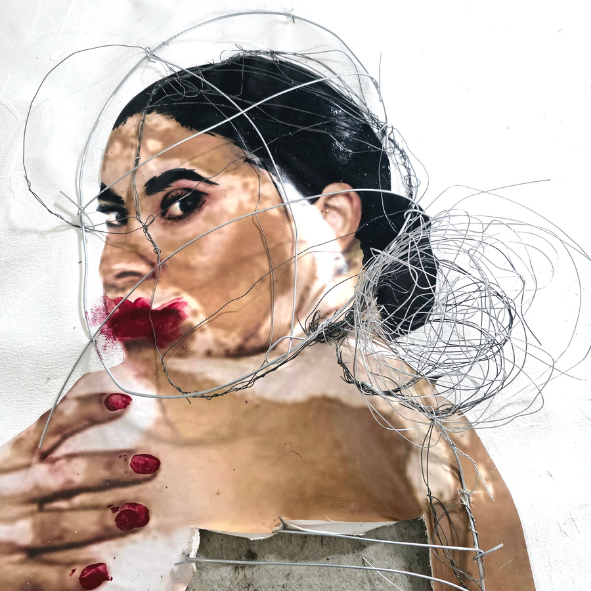
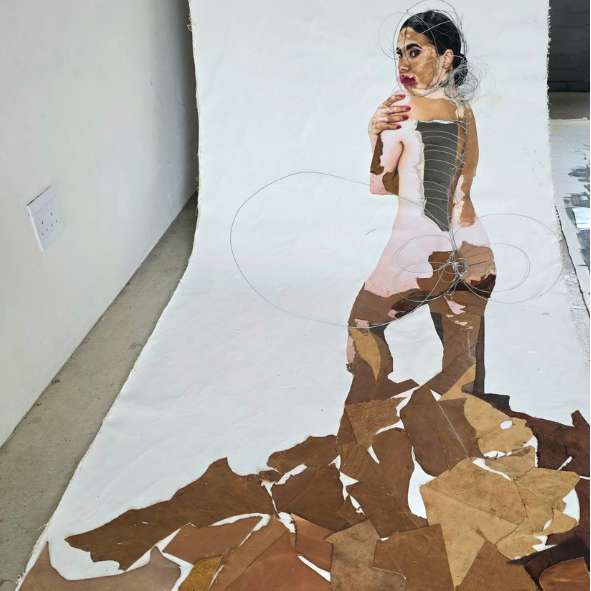
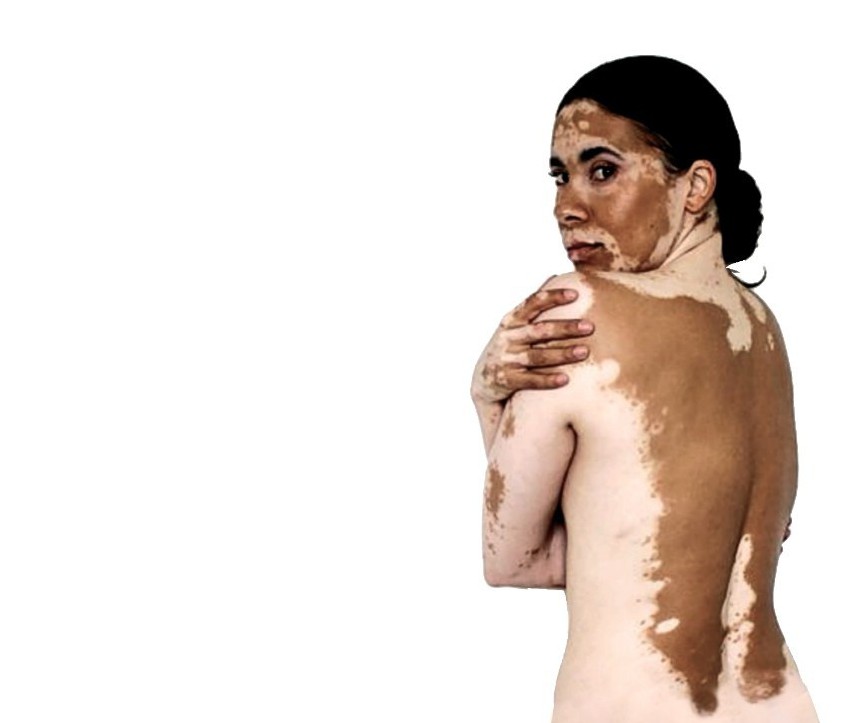
In the representation of Marian De Vos, a South-African model who transformed her experience of living with Vitiligo into advocacy, Fredericks constructs a meditation on beauty, fragility, and self-acceptance.
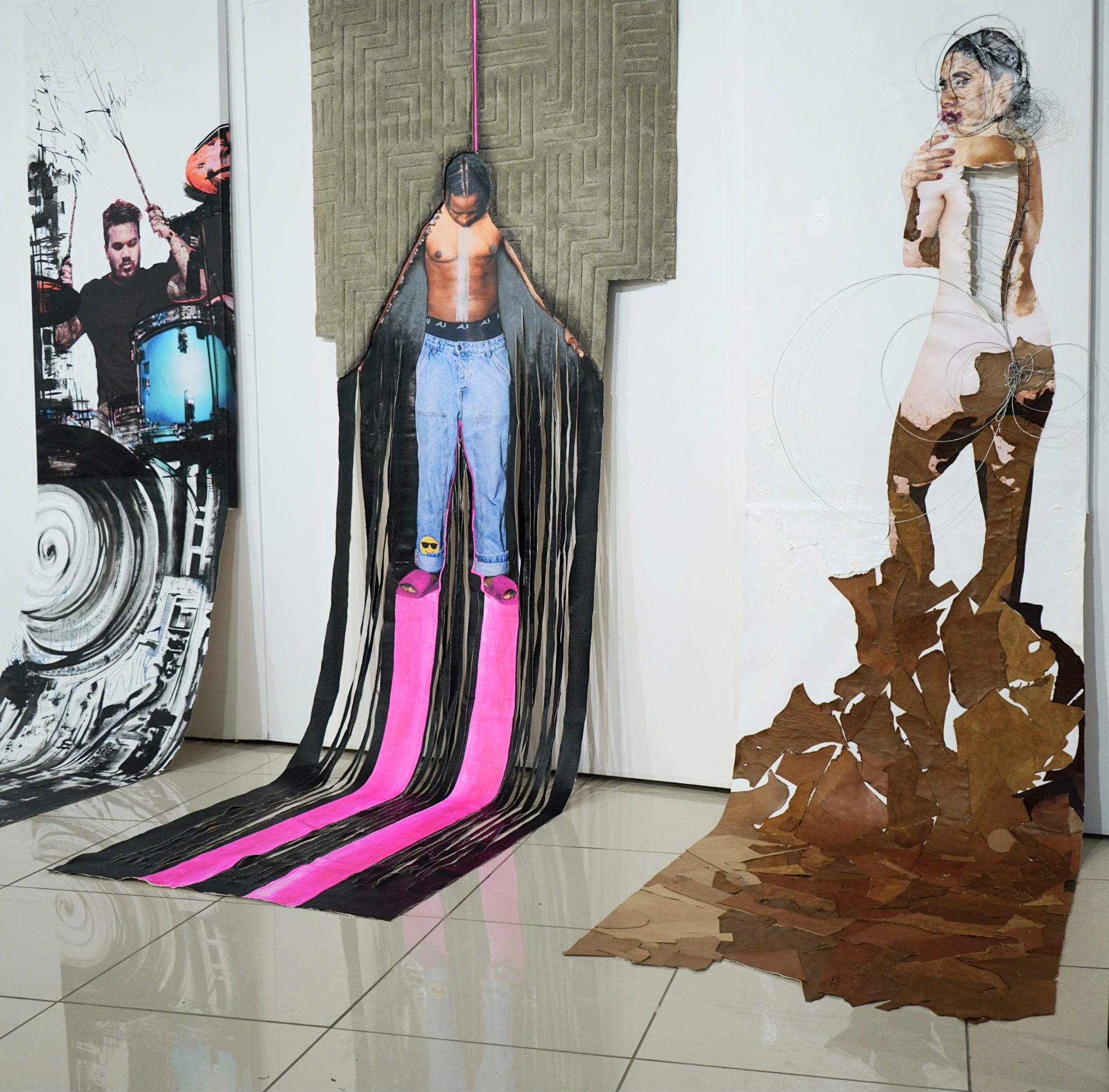
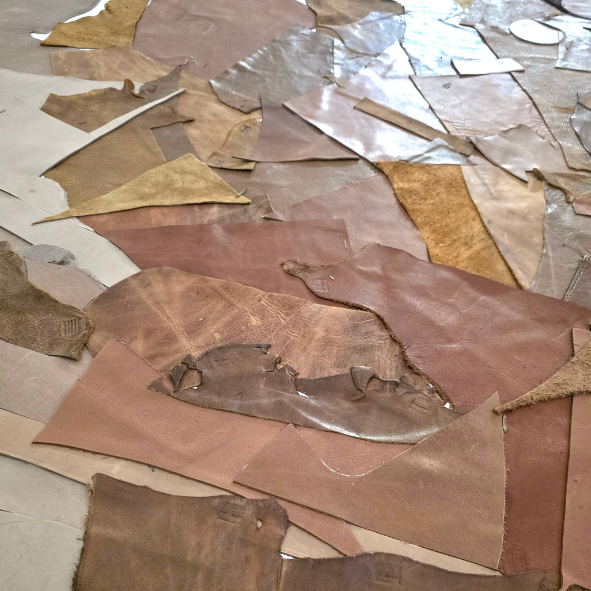
The collage of leather fragments, cut and layered to echo the map-like patterns of Marian’s skin, renders difference as unity. Leather — literally skin — becomes a universal surface, connecting all bodies through shared materiality. Each marks the transformation from surface pain to visible power, borrowing Kant’s dignity-through-universality (Kant, 1785/1997, p.429) and Bourriaud’s practice of connecting difference through dialogue (Bourriaud, 2002, p.23).
Exposed wire, the sensitive nervous system that runs beneath the torn sections suggests both the vulnerability and structure that underlie selfhood. The work redefines beauty not as symmetry but as transparency — the courage to be seen in one’s transformation.
The rebirth of an identity is what preceds Marian’s portfolio as a fashion model. The “desease” that consumed her mental health, broke the image of a “brand” she spent years on creatively constructing, became her chrysalis, her most unique defining quality. She proudly now shares her entire emotional outpour, her journey mapped on her physique for all to embark on with her. Here The Plinth operates as a road map, an ethical lens: to look is to witness, not consume.
Jason Oosthuizen
INTUITIVE RHYTHM AND MANIFESTED CONTINUUM
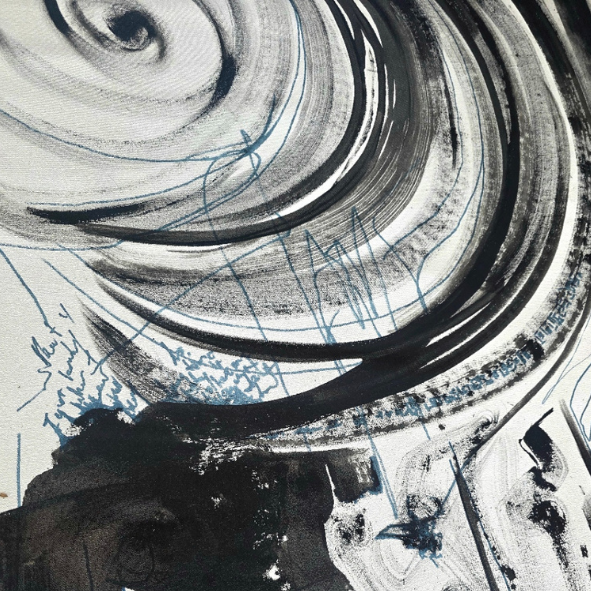
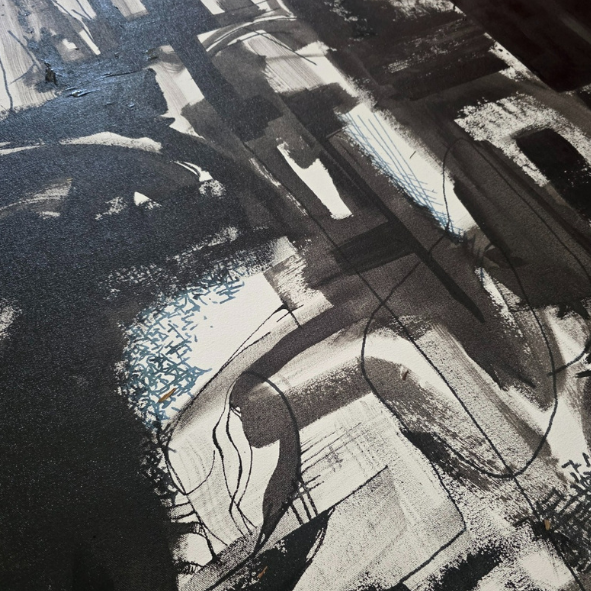
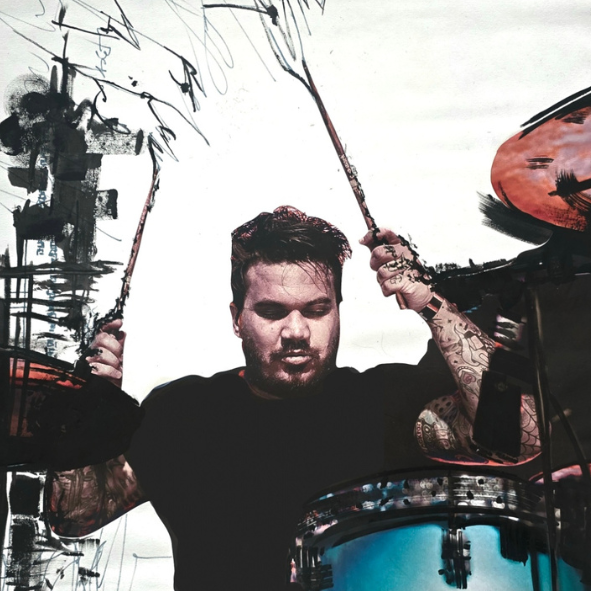
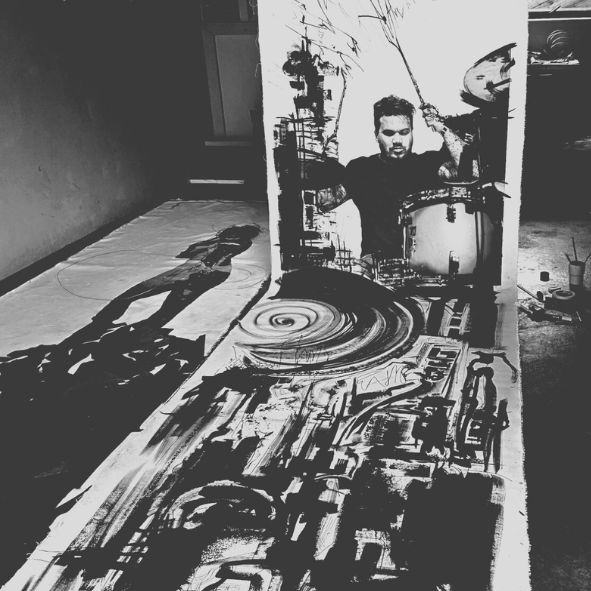
The artwork dedicated to musician Jason Oosthuizen explores sound as a metaphor for continuity. Fredericks engaged in an intuitive, rhythm-based creative process, painting and marking the canvas in response to Jason’s drumming. This transformation of auditory rhythm into visual movement materializes in solitude—unseen yet embodying art that transcends observation. Within the intimacy of this process, the piece amplifies its substance. The outcome is characterized by both spontaneity and control, reflecting the tension between mastery and humility that underscores Jason’s career (Fredericks, The Plinth, p. 24).
As noted by Fredericks, “Jason is not merely standing on a platform – he has become the platform, a foundation upon which others can rise” (Fredericks, The Plinth, p. 24).
The act of performance—creating in dialogue with another’s expression—exemplifies relational aesthetics. In alignment with Bourriaud’s model, meaning emerges from interaction rather than isolation. Jason’s representation serves as an allegory for sustained creative practice: success is viewed not as finality but as an ongoing resonance.
As a prominent musician, Jason does not require a platform to elevate his art; this elevation has already occurred. However, what he gains from The Plinth is the satisfaction of providing it with strength. This artwork highlights the fluidity of success as a communal and process-oriented phenomenon..

BRAGO
LABOUR, AUTHORSHIP AND THE POLITICS OF VALUE
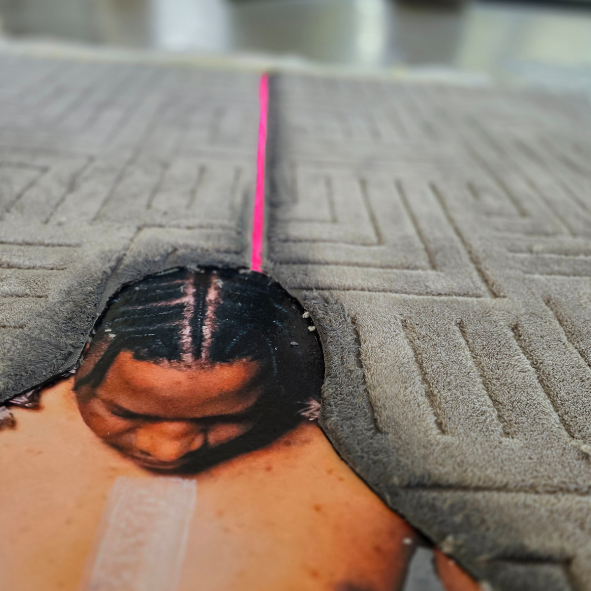
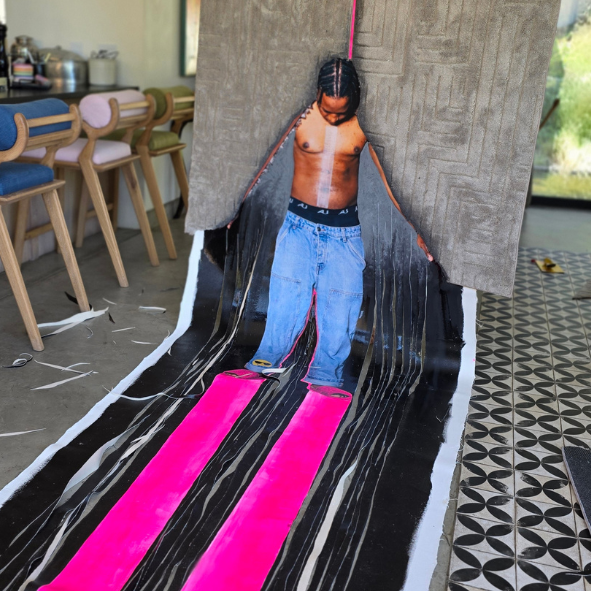
Byron’s journey from an orphaned childhood to an artist who incorporates resilience into his rug designs is presented through a textile intervention. Fredericks collaborates directly with Byron, enveloping him in meticulously tufted fabric that, while showcasing a sense of fragmentation and process, also embodies a sense of light and progress. As Fredericks notes, “The public sees the product, but not the person – the art, but not the artist… The fragmented fibres echo his struggle, but they are not broken — merely in transition, awaiting their reweaving into something whole” (Fredericks, 2023, p. 27). This act amplifies what is often hidden, countering Zuboff’s notion of the commerce of attention, and re-establishes authorship as a site of endurance and reclamation (Zuboff, 2019, p. 237).
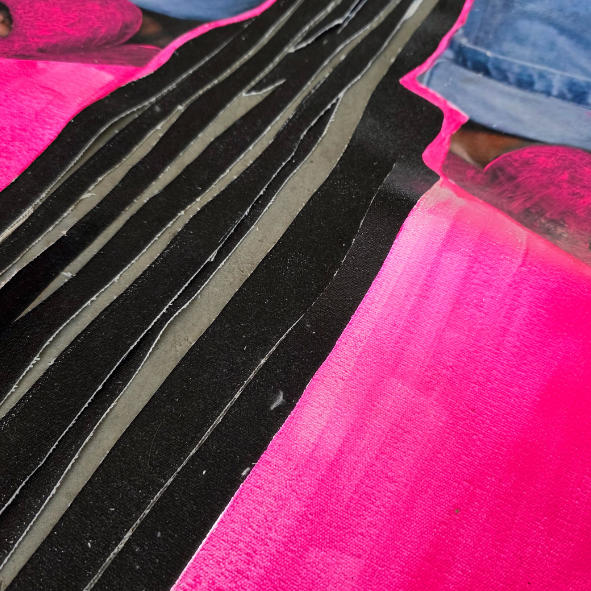
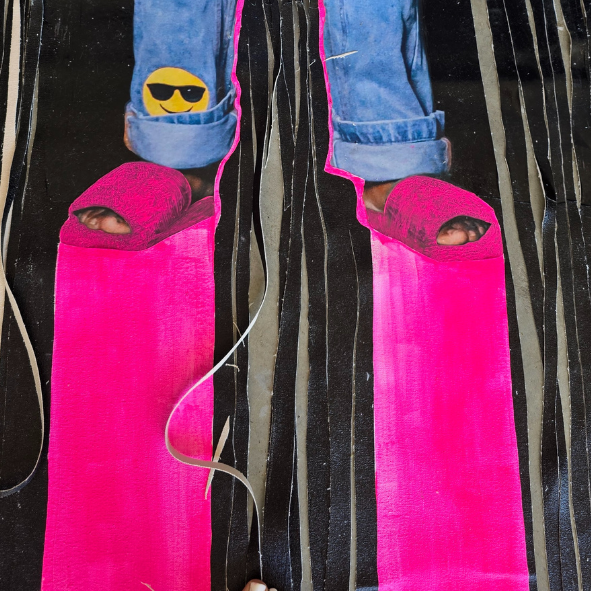
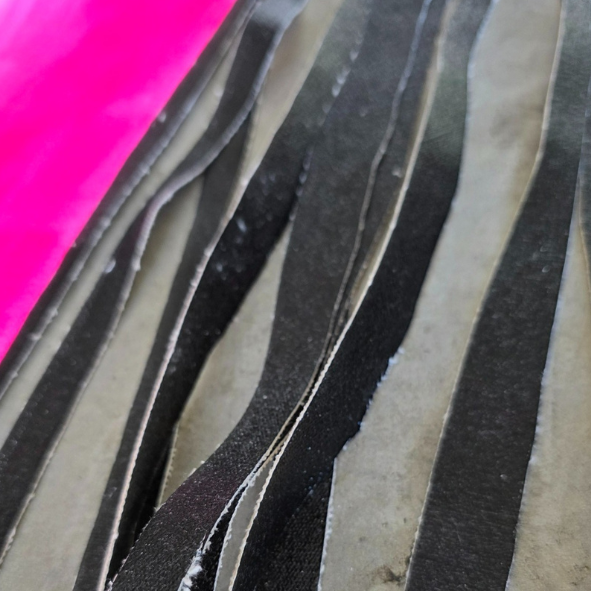
In the work honouring Byron, known as “Brago,” Fredericks addresses the erasure of authorship within capitalist frameworks. The woven piece draped over Byron’s shoulders signifies both burden and pride, representing a garment of invisible labour. The torn fabric and frayed edges illustrate the tension between survival and recognition. By collaborating with Byron on the creation of the textile, Fredericks literalizes the ethics of shared creation. The artwork critiques the commodification of creativity while embodying solidarity with those whose artistry supports industries yet remains unacknowledged. Within a small visible reap, a vibrant hue emerges, illuminating Byron’s foundation and the platform upon which he exists. The Plinth thus exposes the structural inequalities that determine visibility within the art world and beyond, while also highlighting the enduring hope of the human spirit.